We provide top-notch services tailored to your needs. Experience excellence with our dedicated team. From concept to completion, we ensure satisfaction.
Fill out the form below, and our team will get back to you with a personalized quote.

Factory-Direct Wholesale Pricing
Weekly Production Updates
Low MOQ for Custom Orders
Free 3D Mockups & Design Support
Premium Performance Fabrics
Replacement Policy For Defects
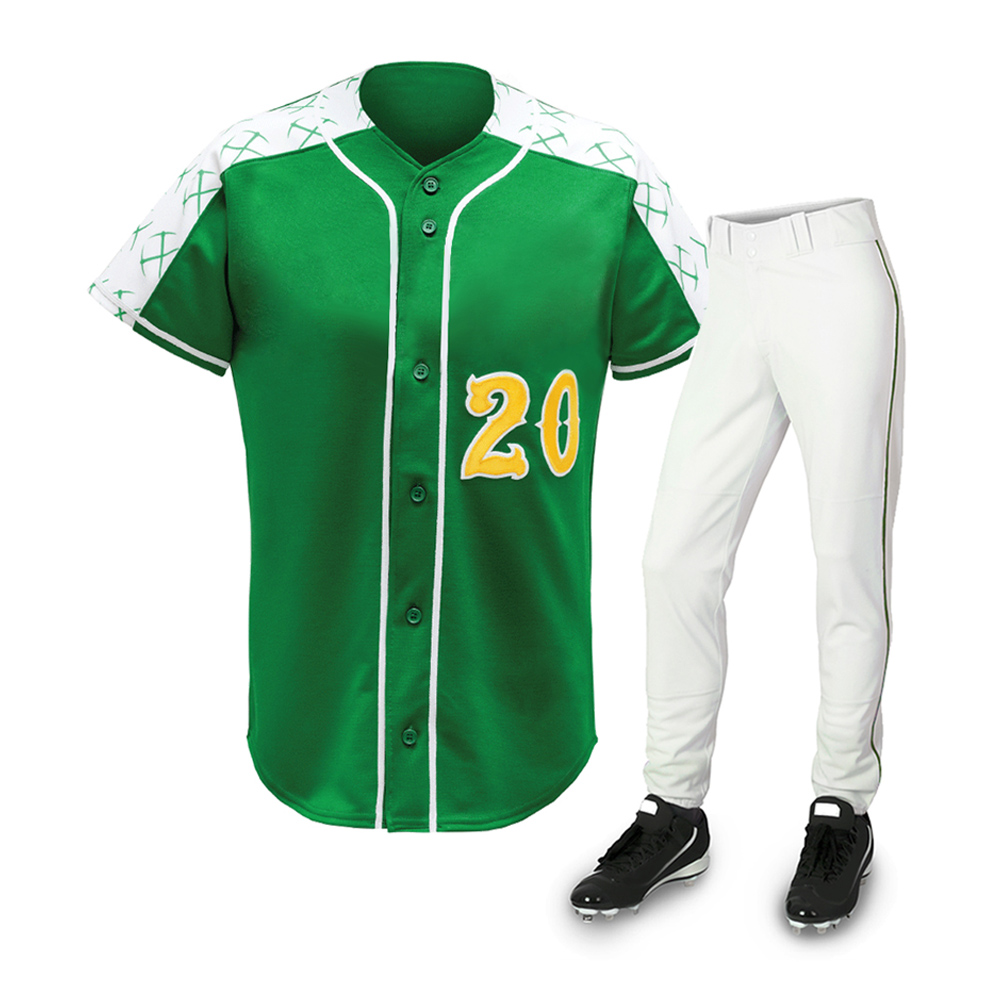
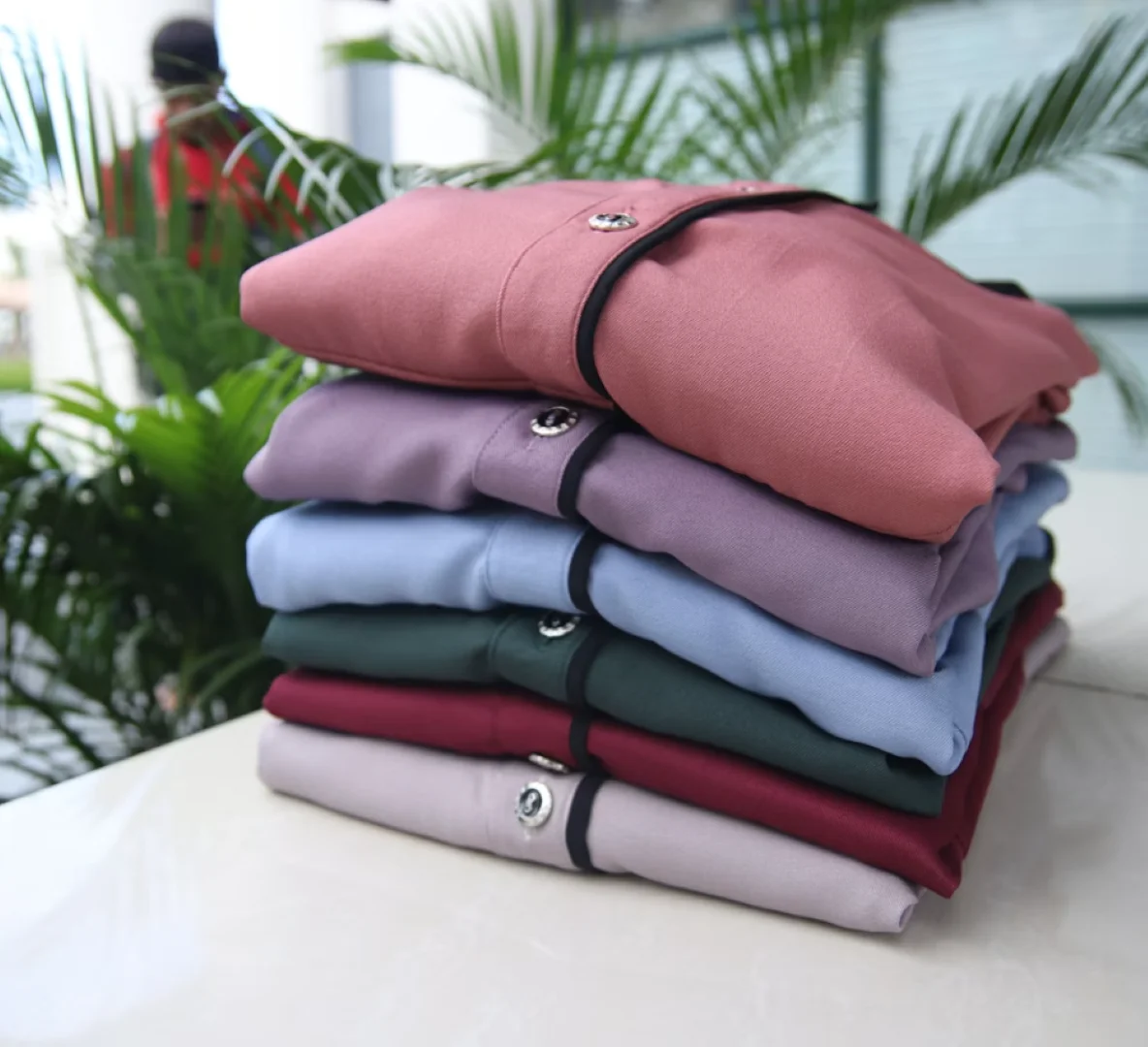
We develop your ideas at Ferrati Sports before production begins. With our clothing mockup service, you'll get a preview of how your designs will look in real life, complete with perfect colours, logos, and styles. This service helps brands make informed decisions before proceeding to bulk production.
We recognize that images can be crucial to any clothing brand. This is why we create vivid, realistic mockups that mirror your actual vision. Our mockups help you plan and make more intelligently, whether it is a new line or an updated one.
Clothing design is not just about the fabric and color of clothes, but about creating the entire appearance. Our model drawings demonstrate how your clothes will look when they are made. With your team, we ensure that all details, including the texture of the fabric and the way it will be stitched, are captured.
In the case of Ferrati Sports, you can try out various versions, make comparisons, and choose the one that actually suits your brand identity. There are also such mockups that can be used in a presentation, in a catalog design, or in a client approval.
Our mockups are constructed according to the measurements and specifications, so what you see on our mockups is what you will see on your finished production.
We make mockups of any clothing, such as:
Motorbike Gear: Jackets, pants, gloves, and suits
Casual Wear: T-shirts, hoodies, joggers, and jacket
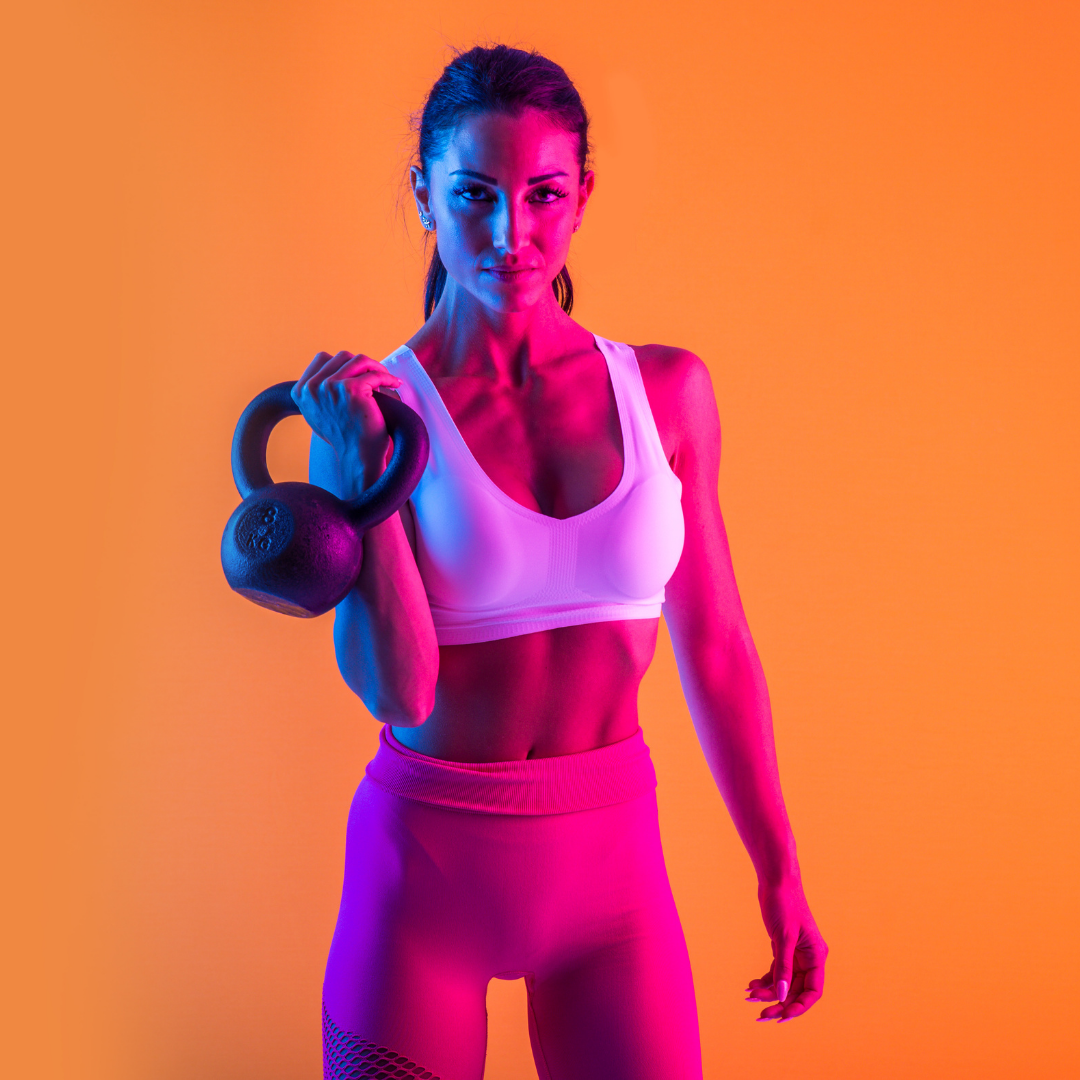
Active Wear: Gym wear, leggings, shorts, and tops
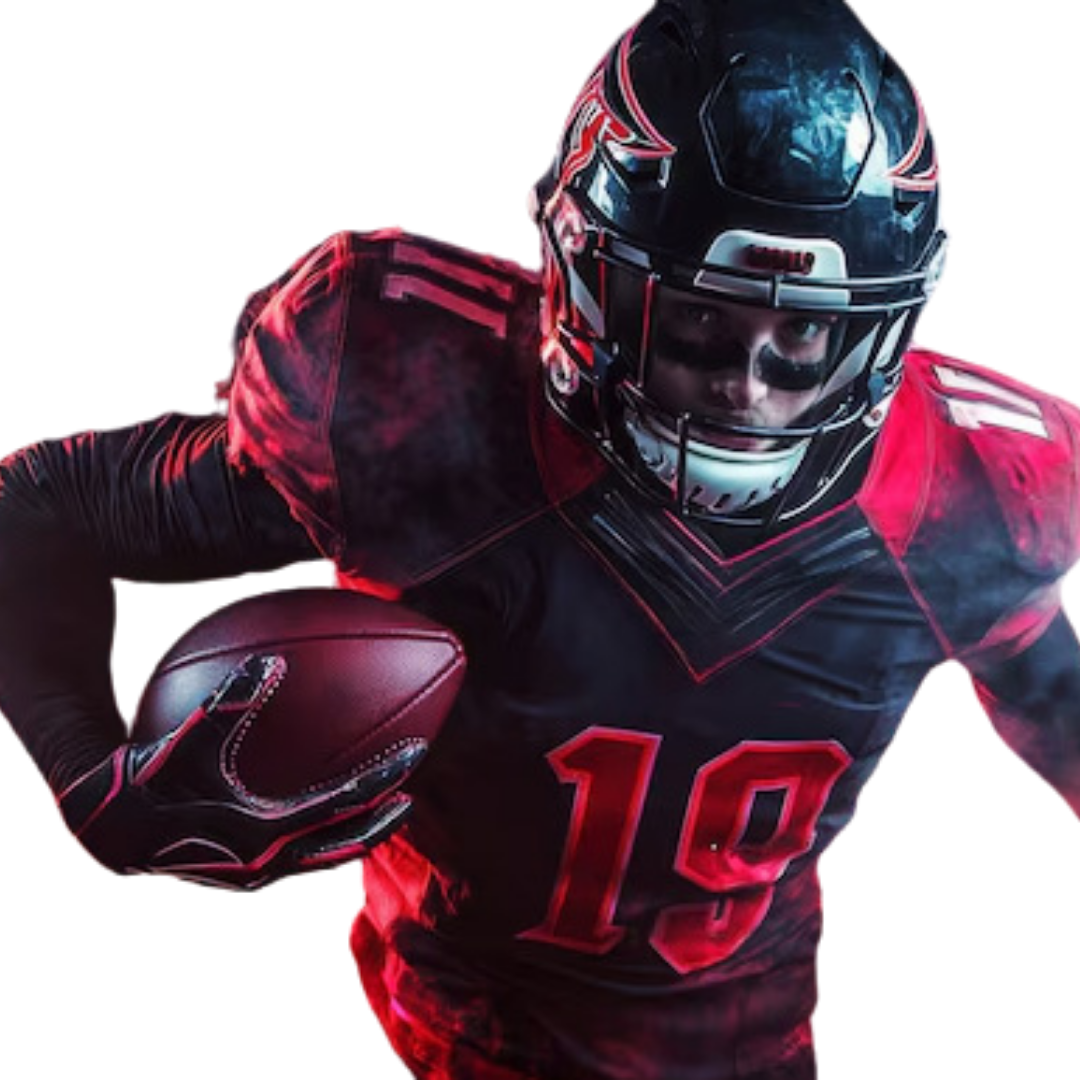
Sports Wear: Team kits, tracksuits, and training gear
We can help you create professional images for any apparel, suitable for men, women, or kids. Our custom mockups are also available according to your own choice of fabric, color, placement of the logo, and design of the label. All the details are carefully stitched to reflect your real product accurately.
An effective mockup will help you visualize the end product. This is why we focus on realistic details and clear presentation. We will utilize high-resolution templates and professional design that will generate real-life images of your clothing.
To make each mockup look real, our designers put a lot of thought into balancing the lighting, shadows, and the texture of the fabric. Checking our mockups, you can easily view the results of your logo, colors, and stitching on the final product. This helps you make final changes before production begins.
We recognize that creativity often requires adjustments. This is why our mockup process is straightforward and can be easily revised.
If you would like to experiment with new color combinations, alternative printing positions, or a new logo design, we can make the changes quickly. We aim to ensure that you are delighted with the appearance of your product before it is taken to the production lines. We believe in collaboration. You provide your vision, and we will ensure that the mockups are identical to that.
Mockups will save time and cost, while also avoiding errors in the production process. They help you visualize how your design will appear on the actual cloth and how it will fit.
When using mockups, it is easy to identify design mistakes early, experiment with colors, and make minor adjustments before committing to complete production. This will result in a reduction in waste, corrections, and speedy outcomes. We leverage our expertise in clothing design and production to inform smart decisions for the brands at Ferrati Sports.
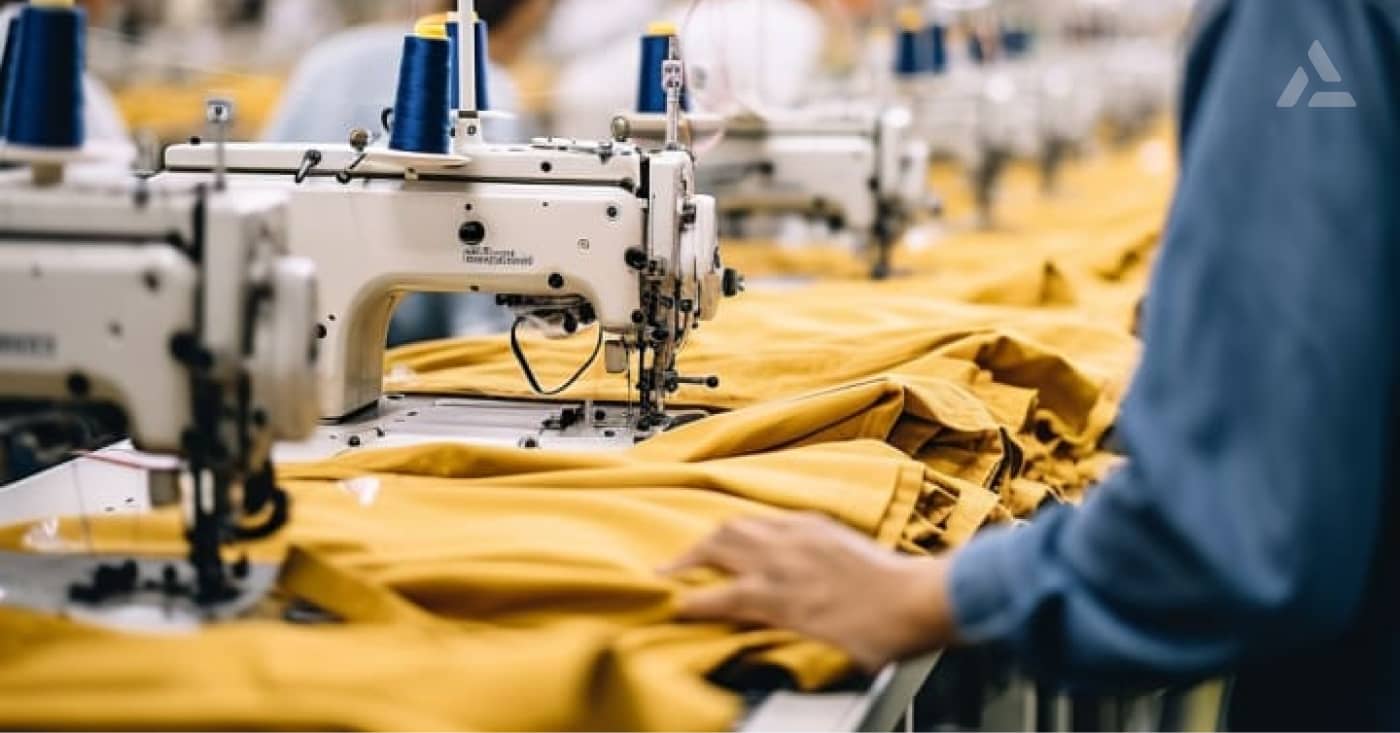
Ferrati Sports is also one of the leading clothing mockup manufacturers in Pakistan. We specialize in creation of accurate and specific mockups of the motorbike gears, active wear, sportswear and casual wear. Our design team is professional and applies the latest tools to ensure that every mockup resembles the actual product. We can design for the brand, with our attention to detail and fast turnaround.
At Ferrati Sports, we will help bring your creative ideas to life. We provide our clothing mockups so that you can easily visualize, plan, and complete your designs with confidence.
Sportswear and fashion wear, we will be with your brand all the way. You present your ideas; we turn them into real visuals, ensuring your production runs smoothly.
We should make your designs come to life, one mockup at a time. We will transform your vision together into something as beautiful as you thought it would be.
Premium solutions tailored for your business.

We believe that every successful relationship is built on trust, quality, and professionalism. In line with this philosophy, we have introduced a free sample service so that you can trust our quality with full confidence. We want you to experience our work without any financial pressure and make the best decisions for your brand. Ferrati Sports International is a reliable and trusted garment manufacturing factory that not only produces high-quality products but also places great importance on customer needs and trust. We understand that every successful brand builds confidence through product quality. That’s why we have included a “Free Sample Service” in our offerings, allowing our customers to thoroughly review. Inspect and evaluate our work before placing bulk orders.
Because we know that strong business relationships begin with trust. When you touch the samples we have created, observe the stitching, feel the fabric quality, and receive your desired colors at your doorstep, you will immediately recognize our dedication, skill, and attention to detail. For this reason, we provide completely free samples to serious buyers, so that our commitment is proven through action, not just words. Our goal is for our clients to place their orders with complete confidence. We want you to see our quality with your own eyes and trust us to produce your product. That’s why we wholeheartedly offer free samples, build on principles of responsibility and mutual respect.
• Contact our team.
• Provide complete details of your company or brand.
• Describe your current market position or business experience.
• Our team will review your information and market reputation.
• After the review, you will be informed about the approval or conditions for the free sample.
• Upon approval, a free mockup will be created, and your approval will be sought for the sample.
Ferrati Sports International’s aim is not only to sell products but also to establish a lasting, transparent, and trust-based relationship with its customers. If you are truly a serious buyer and looking for the best quality samples or fabric swatches, then our free sample service is the perfect opportunity for you. All free samples provided will include our company’s brand name, label, and relevant tags to ensure respect for our effort, protect the identity of our production, and best represent the quality. You will not only directly observe our quality, but also find our identity and a guarantee of trust in our services and high standards. Furthermore, you will be able to closely observe our professionalism. Contact us today and strengthen our hand in the growth of your brand!
1. Experienced and Market-Established Brands:
If your clothing brand is already established in the market and you have been operating for a reasonable period, you are eligible for our special free sample program.
• The brand must have been operating in the market for at least two years.
• The brand’s presence on social media or a website is necessary for us to assess its activities.
• Previous orders or business records must be provided to verify seriousness and business viability.
• Shipping charges may sometimes be borne by the customer, especially for international orders. For local customers, shipping may sometimes be free, this is a case-by-case decision.
• All free samples provided will include our company’s brand name, label, and relevant tags.
2. New but Serious Brands or Business Individuals:
If your brand is new or you are working with us for the first time, our policy will be slightly different for you:
• If you also want a free sample, you will need to complete at least three to four orders with our company.
• However, if you initially purchase one sample, we will provide you with a second sample completely free of charge.
• This applies to new brands that are launching and intend to place at least three to five orders in the future.
• Such brands will need to present their plan or strategy so that we can assess their seriousness.
• This also includes well-known online stores or social media influencers who are genuinely launching their online presence.
Our free sample service is not for everyone. We want this facility to be provided to brands or business individuals who are serious and intend to establish a long-lasting relationship with us, and who genuinely intend to place large or regular orders. We do not share free samples with individuals who merely waste our time and theirs or request samples by lying. We invest our time, effort, and resources only in customers who can prove beneficial to our business.
1) Suspicious or Non-Serious Individuals:
• Those who do not provide complete information.
• Those who ask for samples under the pretext of “just seeing” or “trying out”.
• Those who have no business background or are just “looking around”.
• Those whose purpose is solely for personal use and not a business relationship.
2) Buyers Only Looking at Price or Competition:
• Those who are taking samples from various companies just to compare prices and do not demonstrate clear seriousness.
3) Those Placing Small Quantity or Minor Orders:
• Those who intend to place only limited or very small-scale orders (e.g, 20-40 pieces) will not be given free samples.
If you are a serious brand, do not compromise on the quality of your products, and are looking for a garment manufacturer who can turn your dreams into reality, then our free sample service is the perfect opportunity for you. Contact us today and start your journey to take your brand to new heights with us!

Pakistan stands as a cornerstone of the global textile industry, combining decades of manufacturing heritage with cutting-edge production capabilities. Our clothing manufacturers in Pakistan deliver world-class apparel solutions to international brands through advanced facilities, skilled craftsmanship, and competitive pricing structures. From custom designs to large-scale production runs, Pakistani manufacturers maintain rigorous quality standards while offering flexible customization options. With strategic geographic positioning and robust export infrastructure, Pakistan serves as a trusted partner for brands seeking reliable, cost-effective, and ethical apparel manufacturing.
Pakistan's textile industry represents over 60% of the country's total exports, establishing it as the world's fourth-largest cotton producer and eighth-largest textile exporter. This deep-rooted expertise spans generations, with garment manufacturers in Pakistan refining production techniques through decades of serving international markets. The industry employs over 15 million people, creating an ecosystem where specialized knowledge transfers across workshops, factories, and design studios.
Major global brands have consistently partnered with textile manufacturers Pakistan offers due to proven track records in delivering consistent quality across diverse product categories. This reputation stems from both historical craftsmanship traditions and modern industrial investments that position Pakistan among the world's most capable apparel production centers.
Pakistani manufacturers achieve remarkable cost efficiencies through vertical integration, where cotton cultivation, spinning, weaving, dyeing, and garment construction occur within interconnected facilities. This streamlined approach reduces transportation costs and intermediary markups while maintaining quality oversight at every production stage.
Labor costs in Pakistan remain 30-40% lower than in many competing markets, yet the workforce demonstrates comparable skill levels due to extensive training programs and industry experience. These economic advantages allow apparel manufacturers in Pakistan to offer competitive pricing structures that benefit brands across various market segments, from premium fashion to value retail.
Quality control mechanisms embedded throughout production processes ensure cost savings never compromise finished product standards. Third-party testing, international compliance verification, and staged quality checkpoints maintain excellence while preserving pricing advantages.
Pakistan's garment workforce includes pattern makers, cutters, sewers, quality inspectors, and finishing specialists trained through formal apprenticeships and vocational programs. Many workers possess 10-20 years of experience in specific manufacturing disciplines, creating deep expertise pools that manufacturers leverage for complex production requirements.
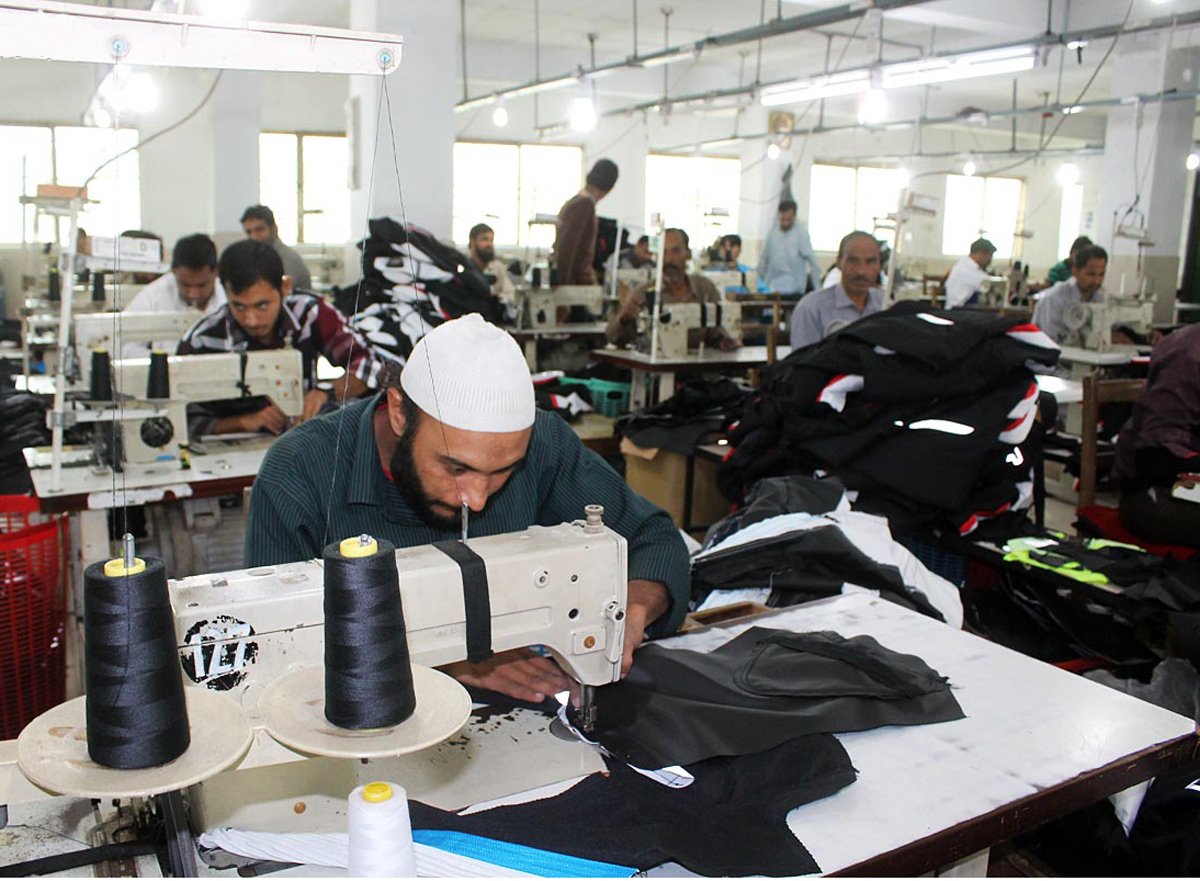
Investment in modern machinery has transformed pakistan clothing factory operations, with computerized cutting systems, automated sewing lines, and digital quality monitoring becoming standard across major facilities. These technological upgrades enhance precision, increase production speeds, and reduce material waste while expanding capabilities for technical fabrics and specialized construction methods.
Contemporary facilities feature climate-controlled production floors, ergonomic workstations, and proper lighting—factors that directly impact worker productivity and garment quality. Leading manufacturers maintain certifications for workplace safety, environmental management, and social compliance, demonstrating commitment to international operational standards.
Pakistan's geographic position provides accessible routes to major markets across Asia, Europe, the Middle East, and Africa. Karachi Port and Port Qasim handle substantial container volumes with established shipping partnerships to worldwide destinations, ensuring reliable logistics for export-focused manufacturers.
Direct shipping routes to key markets reduce transit times and freight costs compared to more remote production locations. This connectivity advantage becomes particularly valuable for brands managing inventory cycles, seasonal launches, or time-sensitive replenishment orders.
The government has developed Special Economic Zones near major ports, offering streamlined customs procedures, warehousing facilities, and consolidated shipping services. These infrastructure investments support efficient supply chain management for international clients working with clothing manufacturers in pakistan.
Pakistan's government actively supports textile sector growth through export rebates, tax incentives, and subsidized energy costs for manufacturing facilities. The State Bank of Pakistan offers preferential financing rates for textile exporters, reducing capital costs for equipment upgrades and capacity expansion.
Trade agreements with numerous countries provide tariff advantages for Pakistani apparel exports, improving price competitiveness in destination markets. The government has negotiated favorable terms with the European Union, China, and regional trading partners, creating preferential access conditions that benefit brands sourcing from Pakistan.
Export processing zones exempt manufacturers from certain domestic taxes and provide expedited customs clearance, reducing administrative burdens and processing delays. These policy frameworks demonstrate governmental commitment to maintaining Pakistan's competitive position in global apparel markets.
Private label services allow brands to launch apparel lines without developing manufacturing infrastructure. Pakistani clothing manufacturer partners handle the complete production cycle from concept to finished goods, applying your branding to professionally manufactured garments.
These arrangements typically include design consultation, where experienced pattern makers translate brand vision into technical specifications. Manufacturers maintain confidentiality agreements to protect proprietary designs and ensure exclusive production rights for client brands.
Private label programs accommodate various sophistication levels, from selecting existing styles with custom branding to developing entirely original designs. This flexibility supports both established brands expanding product ranges and new ventures testing market concepts with limited initial investment.
Technical design teams work collaboratively with clients to transform sketches, mood boards, or reference samples into production-ready patterns. Computer-aided design (CAD) systems enable precise pattern grading across size ranges, ensuring consistent fit characteristics from XS through plus sizes.
Sampling processes typically involve multiple prototype iterations, with adjustments addressing fit, construction details, and finishing specifications. Experienced manufacturers guide clients through fabric selection decisions, explaining how different materials affect drape, stretch recovery, and garment performance.
Pattern libraries maintained by established manufacturers contain thousands of proven templates for collars, cuffs, pockets, and other components. This resource base accelerates development timelines while ensuring construction techniques meet industry quality standards.
Manufacturers accommodate unique brand requirements including specialized label placement, custom hangtags, proprietary packaging designs, and specific folding or presentation methods. These customization options help brands maintain consistent visual identity across product lines.
Embroidery, screen printing, heat transfers, and laser etching capabilities enable logo application and decorative elements. Wholesale clothing manufacturers maintain in-house decoration departments or partnerships with specialized contractors, ensuring coordinated production schedules.
Fabric treatment options include enzyme washing, stone washing, bleaching, and various dyeing techniques that achieve specific aesthetic effects. Manufacturers can execute these processes to match established brand standards or develop new treatments aligned with seasonal concepts.
Minimum order quantities vary by manufacturer and product complexity, with some facilities accepting orders as small as 500-1,000 pieces per style and color. This accessibility supports emerging brands testing new designs without excessive inventory risk.
Larger manufacturers efficiently handle orders spanning tens of thousands of units, leveraging production line capacity to maintain competitive per-unit costs at scale. Production planning systems coordinate material procurement, cutting schedules, and sewing line allocation to meet delivery commitments regardless of order size.
Flexible manufacturing approaches allow brands to start with smaller initial orders while scaling production as demand grows. Established relationships with manufacturers facilitate this growth trajectory, as shared quality standards and communication protocols become more efficient through repeated collaboration.
Apparel manufacturers in Pakistan specializing in sportswear and activewear possess deep knowledge of technical textiles including polyester blends, nylon composites, and elastane combinations. These materials require specific handling techniques during cutting, sewing, and finishing to preserve performance characteristics.
Fabric testing laboratories evaluate moisture management properties, stretch recovery, color fastness under chlorine exposure, and UV protection ratings. This technical competency ensures athletic apparel meets performance expectations while withstanding repeated washing and intensive use.
Manufacturers maintain relationships with technical textile suppliers across Asia, accessing specialized fabrics like compression knits, mesh ventilation materials, and water-resistant treatments. This supply network enables development of performance-oriented garments matching competitive athletic products.
Sportswear production requires specialized equipment including coverstitch machines for flexible seams, flatlock machines for chafe-free construction, and ultrasonic bonding equipment for seamless garment areas. Leading garment manufacturers in pakistan invest in these specialized capabilities to serve athletic brands.
Pattern engineering for sportswear accounts for body mechanics during movement, incorporating stretch factors, articulated joints, and strategic panel placement. This technical approach ensures garments provide appropriate compression, mobility, and comfort during athletic activities.
Quality control protocols for sportswear include fit testing by athletes, seam strength evaluation under stress conditions, and fabric performance verification. These rigorous standards maintain consistency with expectations for athletic-grade apparel.
Specialized sportswear categories including cycling jerseys, yoga apparel, running gear, and team uniforms require distinct technical specifications. Manufacturers develop expertise in these niches through repeated production, building knowledge bases around construction methods and material selections.
Sublimation printing capabilities enable full-color, photo-quality graphics directly infused into polyester fabrics. This decoration method provides durability superior to traditional screen printing while allowing unlimited color complexity without cost increases.
Reflective trim application, silicone grip elastic installation, and chamois padding insertion represent specialized skills that technical sportswear manufacturers master. These capabilities differentiate facilities capable of producing professional-grade athletic apparel from general garment contractors.
Moisture management fabrics transport perspiration away from skin through capillary action within fiber structures. Pakistani manufacturers work with both synthetic and natural moisture-wicking materials, understanding appropriate construction techniques for each fabric type.
Antimicrobial treatments prevent odor development in athletic wear subjected to intensive use between washing cycles. Silver ion technology, zinc-based compounds, and polymer additives represent different approaches that manufacturers can apply based on product positioning and price points.
Thermal regulation fabrics incorporating phase-change materials or ceramic particle additives help maintain comfortable body temperature during exercise. While technically sophisticated, experienced clothing production pakistan facilities successfully integrate these materials into finished garments meeting brand specifications.
Fast fashion manufacturing requires organizational agility to rapidly translate trend observations into finished products. Design teams monitor fashion weeks, social media trends, and retail sales data to identify emerging styles worthy of quick production cycles.
Digital design workflows and rapid sampling capabilities compress development timelines from weeks to days. Some manufacturers maintain fabric inventories in popular colors and compositions, eliminating material procurement delays when trend opportunities arise.
Close communication channels between brands and textile manufacturers pakistan enable quick decision-making around style selections, order quantities, and delivery schedules. This partnership approach supports the compressed timelines characteristic of fast fashion business models.
Production planning systems prioritize rush orders within overall manufacturing schedules, allocating dedicated production lines when necessary. Experienced manufacturers build buffer capacity into operations, enabling accommodation of expedited orders without disrupting commitments to other clients.
Air freight partnerships provide alternatives to standard ocean shipping when market timing demands faster delivery. While increasing transportation costs, air freight options enable brands to capitalize on peak selling periods or respond to unexpected demand surges.
Established manufacturers maintain ready-made garment stocks in basic styles and neutral colors, allowing rapid customization through printing, embroidery, or trim additions. This hybrid approach combines speed advantages of ready inventory with customization benefits of made-to-order production.
Casual wear encompasses vast style diversity from basic t-shirts through complex outerwear, requiring manufacturers to maintain broad technical capabilities. Equipment diversity including single-needle machines, overlock machines, blind hem machines, and specialized pressing equipment enables this range. Our casual wear manufacturing services cover everything from everyday basics to trend-forward pieces.
Pattern libraries spanning thousands of proven styles allow manufacturers to quickly adapt existing templates rather than developing patterns from scratch. This approach accelerates sampling while ensuring construction methods align with industry standards.
Cross-training initiatives develop workforce versatility, enabling seamless operator rotation between product categories as order mix fluctuates. This workforce flexibility prevents bottlenecks that could otherwise limit style diversity or compromise delivery schedules.
Retail-ready production includes garment finishing, quality inspection, ticketing, folding or hanging, and packaging according to retailer specifications. Pakistan clothing factory operations integrate these services, delivering products prepared for immediate floor display.
Barcode generation, RFID tag installation, and electronic data interchange (EDI) integration streamline receiving processes at retail distribution centers. Manufacturers familiar with major retailers' compliance requirements prevent shipment rejections and associated delays.
Customized packaging options range from basic polybag protection through branded boxes, tissue paper wrapping, and presentation enhancements. These finishing touches align delivered products with brand positioning while protecting garments during transit and storage.
Corporate uniform programs demand absolute consistency across large order volumes and extended timeframes. Color matching protocols ensure replacement garments match existing inventory even when ordered months or years apart.
Sizing standardization becomes critical for uniform applications, where fit consistency affects professional appearance and employee satisfaction. Manufacturers maintain detailed grading standards ensuring size relationships remain proportional across the entire size range.
Embroidery or heat-sealed logo application requires precise placement specifications to maintain professional appearance. Manufacturers develop templates for each client ensuring consistent positioning regardless of which production lot a specific garment comes from.
Workwear fabrics prioritize durability, colorfastness, and maintenance ease over fashion-forward aesthetics. Polyester-cotton blends, ripstop nylon, and canvas constructions withstand demanding work environments while retaining professional appearance through repeated washing.
Abrasion resistance testing, tear strength evaluation, and seam slippage analysis guide fabric selection for demanding applications. Clothing manufacturers in pakistan specializing in workwear understand these technical requirements and maintain relationships with appropriate textile suppliers.
Special treatments including stain resistance, water repellency, and flame retardancy may apply depending on industry requirements. Manufacturers coordinate with treatment specialists ensuring proper application and verification testing before garment delivery.
Corporate and institutional clients often place orders spanning thousands of units across multiple styles, sizes, and colors. Manufacturers specializing in this segment develop inventory management systems tracking production status, completed quantities, and shipping schedules across complex order configurations.
Phased delivery capabilities allow manufacturers to produce and ship uniform components according to client implementation schedules. This approach prevents warehousing burdens while ensuring program launches proceed without garment availability issues.
Long-term partnership structures benefit both manufacturers and corporate clients, as production efficiency improves through repeated orders of established styles. Manufacturers maintain pattern archives and specification documentation enabling seamless reorders without redevelopment cycles.
Professional embroidery services handle complex logos including multiple thread colors, small text, and intricate design elements. Thread quality and stitch density specifications ensure logos maintain appearance through extended wear and commercial laundering.
Screen printing applications suit simpler logos or situations where embroidery costs become prohibitive at required logo sizes. Manufacturers advise clients on appropriate decoration methods considering design complexity, garment fabric, and expected use conditions.
Woven labels, heat transfers, and sublimation printing represent alternative branding methods suitable for specific applications. Experienced manufacturers guide clients through these options explaining advantages and limitations of each approach.
Initial consultations establish project scope including style requirements, quantity expectations, timeline parameters, and budget constraints. This foundation enables manufacturers to recommend appropriate production approaches and identify potential challenges early in the process.
Technical designers translate conceptual ideas into specification sheets detailing measurements, construction methods, materials, and finishing requirements. These documents become production blueprints ensuring everyone involved understands expectations.
Sample development progresses through multiple iterations addressing fit adjustments, construction refinements, and material alternatives. Manufacturers typically include 2-3 sample rounds within standard development timelines, though complex projects may require additional iterations.
Fabric sourcing leverages Pakistan's position as a major textile producer, with numerous mills producing woven and knit fabrics across quality and price spectrums. Vertical integration within many manufacturing groups provides direct access to textile production, shortening lead times and improving quality control.
International fabric sourcing supplements domestic production when specialized materials or specific aesthetic requirements dictate. Manufacturers maintain relationships with textile suppliers across Asia, enabling access to technical performance fabrics, luxury materials, or unique constructions not available domestically.
Fabric testing verifies material specifications before cutting, evaluating shrinkage characteristics, colorfastness, weight consistency, and width uniformity. This quality verification prevents production issues that could compromise finished garment quality or cause sizing inconsistencies.
Multi-stage quality control begins with incoming material inspection evaluating fabric quality, trim accuracy, and component specifications. This initial checkpoint prevents defective materials from entering production, avoiding waste and quality issues.
In-process inspection occurs throughout cutting and sewing operations, with quality supervisors monitoring seam quality, stitch density, pattern matching, and construction accuracy. Immediate correction of deviations maintains overall production quality and prevents large quantities of defective garments.
Final inspection examines every finished garment before packaging, verifying measurements, checking for construction defects, ensuring proper finishing, and confirming trim application. Only garments meeting all specifications proceed to packaging and shipping.
Standard production timelines span 60-90 days from order confirmation through delivery for most garment categories, though specific timelines vary based on order complexity, quantity, and material availability. This period encompasses fabric procurement, cutting, sewing, finishing, quality control, and shipping.
Sampling processes typically require 2-3 weeks per iteration, though urgent sample requests can sometimes be accommodated faster. Complete development cycles from initial consultation through production-ready samples generally span 4-8 weeks depending on complexity.
Rush production capabilities can compress timelines by 30-50% through priority scheduling, dedicated line allocation, and expedited shipping arrangements. While incurring premium costs, these options enable brands to respond to market opportunities or address inventory shortfalls.
Standard packaging includes individual polybag protection with barcode labels, size stickers, and care instruction tags. Carton packing follows either flat-pack or hanging methods depending on garment type and client specifications.
Custom packaging options accommodate brand-specific requirements including branded polybags, tissue paper insertion, custom hangers, and gift-quality presentation boxes. These enhancements support premium brand positioning and retail presentation standards.
Shipping coordination includes freight forwarding arrangements, customs documentation preparation, and delivery scheduling aligned with client receiving capabilities. Manufacturers partnering with experienced logistics providers ensure smooth international shipments and proper documentation compliance.
Pakistan's apparel manufacturing costs typically run 15-25% below comparable facilities in many competing countries while maintaining similar quality standards. This pricing advantage stems from lower labor costs, reduced energy expenses through government subsidies, and efficiencies gained through industry clustering.
Vertical integration available through many apparel manufacturers in pakistan eliminates markup chains between textile production and finished garments. Brands benefit from mill-direct pricing on fabrics while maintaining single-point accountability for quality and delivery.
Currency exchange rates between Pakistani rupees and major trading currencies like US dollars, euros, and British pounds create additional value for international buyers. Exchange rate stability maintained through government monetary policy provides predictable costing for long-term sourcing relationships.
Generational knowledge transfer within Pakistani textile communities creates deep expertise pools in specialized manufacturing techniques. Many workers learned garment construction skills from parents or relatives, creating cultural appreciation for craftsmanship that translates into quality focus.
Training programs operated by industry associations, government vocational centers, and individual manufacturers continuously upgrade workforce skills. These initiatives introduce modern techniques while preserving traditional quality-focused approaches that characterize Pakistani manufacturing.
Quality reputation built over decades serving international brands creates strong incentive structures for manufacturers to maintain standards. Brand relationships represent valuable long-term assets that manufacturers protect through consistent quality delivery.
Pakistan's large manufacturing base provides access to substantial production capacity without single-factory dependence. Brands can scale orders across multiple facilities or consolidate production as needs dictate, maintaining flexibility as business requirements evolve.
Manufacturing groups operating multiple facilities across different locations provide built-in redundancy protecting against disruptions at individual sites. This distributed capacity ensures continuity even when specific facilities face temporary challenges.
Investment in modern equipment and facility expansion continues across Pakistan's garment sector, growing overall capacity to serve international demand. This ongoing development ensures adequate production resources for brands experiencing rapid growth.
Pakistani manufacturers serving international brands maintain certifications including ISO 9001 for quality management, ISO 14001 for environmental management, and WRAP (Worldwide Responsible Accredited Production) for social compliance. These third-party verifications demonstrate commitment to international operational standards.
Audit programs conducted by major brands and their designated inspection agencies ensure Pakistani facilities meet specific brand requirements. Manufacturers experienced with audit processes maintain documentation systems and operational practices satisfying rigorous evaluation criteria.
Product testing capabilities include fabric performance evaluation, colorfastness verification, dimensional stability testing, and chemical composition analysis. These technical services ensure finished products meet safety standards and performance expectations for destination markets.
Sustainability initiatives within Pakistan's textile sector include water recycling systems, solar energy installations, and transition toward organic cotton cultivation. Progressive manufacturers recognize environmental responsibility as both ethical imperative and competitive differentiator.
Fair labor practices enforced through industry codes and government regulations protect worker rights regarding wages, working hours, and workplace conditions. International brand partnerships increasingly require verified compliance with ethical manufacturing standards, driving sector-wide improvements.
Chemical management programs ensure proper handling of dyes, finishing chemicals, and cleaning agents. Restricted substance lists (RSL) maintained by international brands guide manufacturing processes, preventing use of problematic chemicals in production.
Established logistics infrastructure supports consistent material flow from textile mills through finished garment delivery. Clothing manufacturers in pakistan maintain relationships with freight forwarders, customs brokers, and shipping lines ensuring smooth international distribution.
Inventory management systems track materials throughout production processes, providing visibility into order status and enabling proactive communication when potential delays arise. This transparency helps brands manage their own inventory planning and customer commitments.
Contingency planning including backup supplier relationships, alternative shipping routes, and reserve production capacity protects against supply chain disruptions. Experienced manufacturers develop these safeguards through years of navigating typical challenges affecting international manufacturing.
Pakistani manufacturers serve fashion brands across market segments from mass-market retailers through premium designer labels. This diversity demonstrates technical versatility and ability to meet varying quality standards and price points.
Seasonal production cycles align with fashion industry calendars, with manufacturers understanding timeline pressures associated with spring/summer and fall/winter collections. Production planning accommodates compressed schedules while maintaining quality standards essential for fashion applications.
Trend interpretation capabilities help translate runway concepts into commercially viable products at accessible price points. Technical expertise enables execution of complex construction details, specialty fabrics, and finishing techniques that define fashion-forward apparel.
Team uniform production for schools, universities, recreational leagues, and professional organizations represents significant business for many Pakistani manufacturers. Customization capabilities including player names, numbers, and team logos meet essential requirements for athletic uniforms. We specialize in various team sports including soccer uniforms, basketball uniforms, baseball uniforms, volleyball uniforms, American football uniforms, rugby uniforms, and ice hockey uniforms.
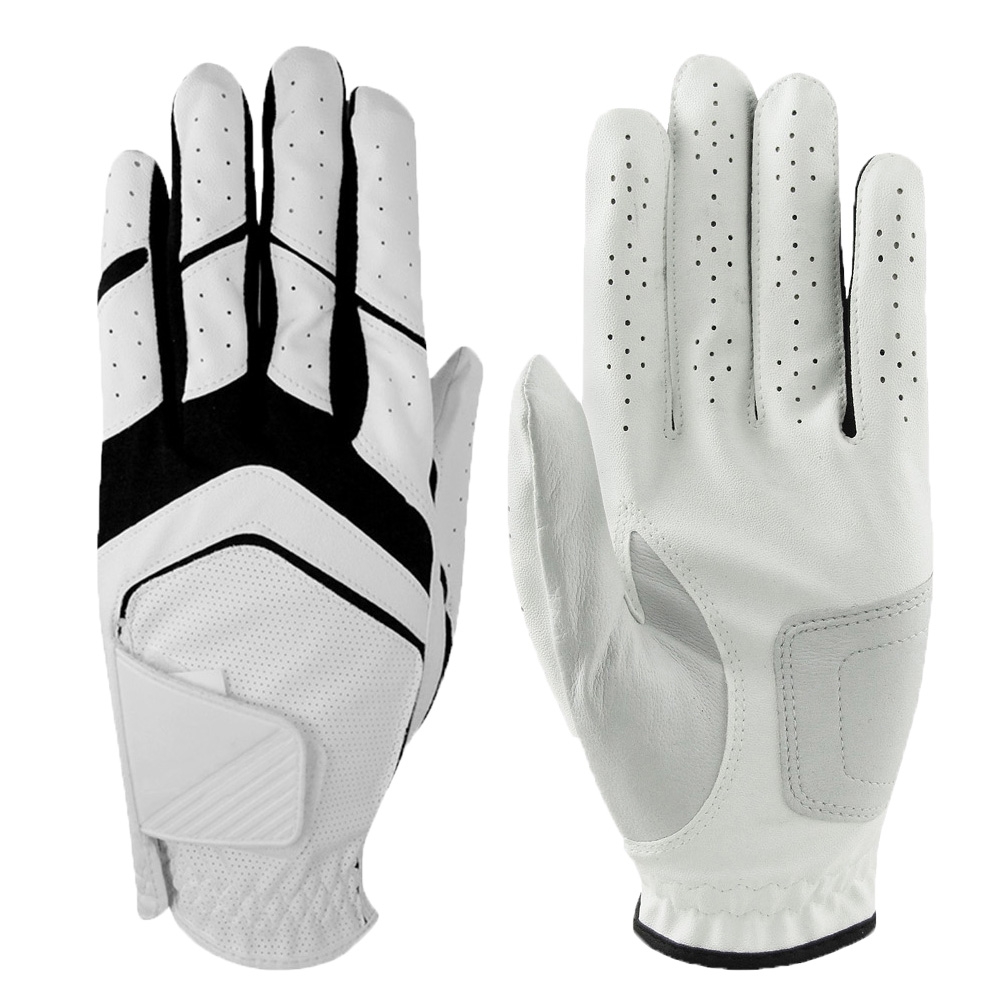
Performance fabric expertise ensures athletic uniforms provide appropriate moisture management, stretch characteristics, and durability for demanding use. Manufacturers understand sport-specific requirements differentiating basketball uniforms from soccer kits or cycling jerseys. Beyond uniforms, we also produce specialized sportswear accessories and performance-enhancing sports gloves for various athletic applications.
Rush production capabilities accommodate mid-season replacement needs or unexpected team roster changes. Manufacturers maintain pattern and specification archives enabling quick reproduction of established uniform designs.
Corporate uniform programs for hospitality, healthcare, retail, and service industries require consistent production quality across large volumes and extended timeframes. Wholesale clothing manufacturers develop systems ensuring color consistency and sizing accuracy critical for uniform applications.
Long-term partnership models benefit corporate clients through streamlined reordering processes, maintained specification archives, and dedicated account management. These relationships reduce administrative burden while ensuring uniform availability meets workforce needs.
Phased delivery coordination aligns garment shipments with corporate rollout schedules, new location openings, or seasonal workforce fluctuations. Flexible delivery arrangements prevent inventory management challenges while ensuring adequate uniform supply.
Accessible minimum order quantities enable startup brands to launch apparel lines without excessive inventory investment. This lower barrier to entry has supported numerous successful brand launches leveraging Pakistani manufacturing partnerships.
Development support including design consultation, technical specification creation, and sampling guidance helps less-experienced brand founders navigate manufacturing processes. Educational approaches build client capabilities while establishing foundations for successful production.
Growth accommodation allows emerging brands to scale production as market success develops. Manufacturers familiar with startup trajectories anticipate evolving needs and maintain flexibility supporting rapid growth phases.
Direct-to-consumer e-commerce brands benefit from Pakistani manufacturers' flexibility regarding order quantities, style diversity, and delivery schedules. Production approaches align with inventory management strategies common in online retail models.
Photography and content creation support including garment presentation, flat lay arrangement, and on-model styling helps e-commerce clients develop marketing assets. Some manufacturers offer these ancillary services recognizing their value for online-focused brands.
International shipping logistics coordination enables direct shipment to fulfillment centers or individual customers depending on business models. Manufacturers experienced with e-commerce clients understand various distribution approaches and accommodate accordingly.
Pakistani clothing manufacturer facilities produce comprehensive apparel categories including t-shirts, polo shirts, hoodies, sweatshirts, jackets, pants, shorts, dresses, skirts, activewear, sportswear, uniforms, workwear, and children's clothing. Technical capabilities span knit and woven garments across casual, athletic, corporate, and fashion market segments.
Specialized production includes performance sportswear with moisture-wicking fabrics, compression garments, outerwear with technical features, and complex multi-component garments. Decoration capabilities encompass embroidery, screen printing, heat transfer application, and sublimation printing.
Most manufacturers focus on specific product categories where they've developed deep expertise, though many maintain capabilities across multiple garment types. Consultation during initial discussions helps identify manufacturers whose specializations align with specific project requirements.
Minimum order quantities vary significantly based on manufacturer size, product complexity, and production approach. Small to medium manufacturers may accept orders as low as 500-1,000 pieces per style and colorway, supporting startup brands and test production runs.
Larger manufacturers typically require minimums of 2,000-5,000 pieces per style and color, though these higher minimums often correspond with more competitive per-unit pricing. Custom development work may involve additional minimums covering sampling and pattern development costs.
Some manufacturers offer lower minimums for repeat orders of established styles since development costs have been amortized across initial production runs. Building relationships through smaller initial orders can lead to more flexible terms as partnerships develop.
Standard production timelines span 60-90 days from order confirmation through cargo delivery for most garment types. This encompasses fabric procurement (2-3 weeks), cutting and sewing (3-4 weeks), finishing and quality control (1 week), and international shipping (2-4 weeks depending on destination).
Development timelines preceding production add 4-8 weeks depending on complexity, covering design consultation, sampling iterations, and specification finalization. Rush services can compress timelines by 30-50% through priority scheduling and air freight, though premium costs apply.
Seasonal production peaks during August through October and February through April can extend timelines as capacity fills across the industry. Planning production outside these peak periods or committing to orders well in advance helps secure optimal scheduling.
Many garment manufacturers in pakistan have implemented sustainability initiatives including organic cotton programs, recycled polyester usage, water recycling systems, solar energy installations, and chemical management protocols. These practices address environmental concerns while meeting international brand requirements.
Certifications such as Global Organic Textile Standard (GOTS), OEKO-TEX, and bluesign verify sustainable practices and material choices. Manufacturers pursuing these certifications demonstrate commitment to environmental responsibility beyond basic compliance requirements.
Sustainable production typically involves slightly higher costs due to premium materials and additional processing requirements. However, growing consumer demand for environmentally responsible products and brand sustainability commitments continue driving adoption of these practices.
Common certifications include ISO 9001 (quality management), ISO 14001 (environmental management), WRAP (social compliance), OEKO-TEX (textile safety), GOTS (organic textiles), and BSCI (business social compliance). Many manufacturers serving international brands maintain multiple certifications addressing different compliance aspects.
Brand-specific audit approvals from companies like Nike, Adidas, H&M, and others represent additional credentials demonstrating ability to meet stringent operational and quality standards. These audit approvals often involve annual recertification maintaining ongoing compliance.
Product testing capabilities through in-house or affiliated laboratories enable verification of fabric performance, chemical composition, colorfastness, and dimensional stability. Testing certifications ensure results meet internationally recognized standards accepted by brands and regulatory bodies.
Explore Our Specialized Manufacturing Categories:
Looking for specific product categories? We offer dedicated manufacturing services across multiple specialized areas:
Athletic & Performance Wear: Sports Wear | Active Wear | Sports Bras | Leggings | Tank Tops | Shorts | Tracksuits
Casual & Everyday Apparel: Casual Wear | Polo Shirts | Sweatshirts | Shirts
Performance Gloves: Cycling Gloves | Gym Gloves | Football Gloves | Motorbike Gloves | Motocross Gloves
Specialized Gear: Motorbike Gear | Accessories
Ready to partner with experienced clothing manufacturers in Pakistan? Contact us today to discuss your apparel production requirements, request samples, or learn more about our manufacturing capabilities. Our team provides consultation services helping you navigate production decisions and develop successful sourcing partnerships.

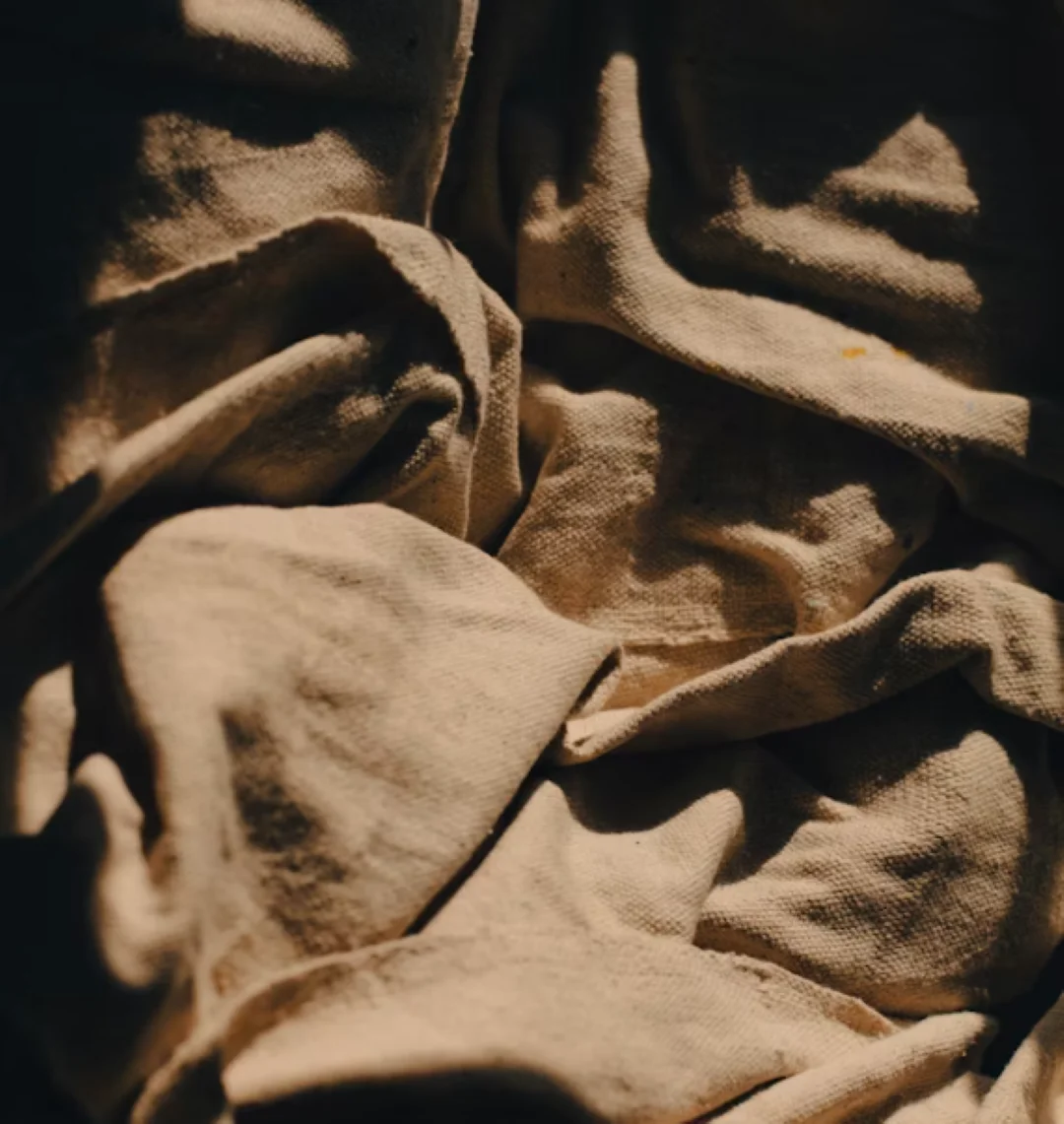
We develop your ideas at Ferrati Sports before production begins. With our clothing mockup service, you'll get a preview of how your designs will look in real life, complete with perfect colours, logos, and styles. This service helps brands make informed decisions before proceeding to bulk production.
We recognize that images can be crucial to any clothing brand. This is why we create vivid, realistic mockups that mirror your actual vision. Our mockups help you plan and make more intelligently, whether it is a new line or an updated one.
Clothing design is not just about the fabric and color of clothes, but about creating the entire appearance. Our model drawings demonstrate how your clothes will look when they are made. With your team, we ensure that all details, including the texture of the fabric and the way it will be stitched, are captured.
In the case of Ferrati Sports, you can try out various versions, make comparisons, and choose the one that actually suits your brand identity. There are also such mockups that can be used in a presentation, in a catalog design, or in a client approval.
Our mockups are constructed according to the measurements and specifications, so what you see on our mockups is what you will see on your finished production.
We make mockups of any clothing, such as:
Motorbike Gear: Jackets, pants, gloves, and suits
Casual Wear: T-shirts, hoodies, joggers, and jacket
Active Wear: Gym wear, leggings, shorts, and tops
Sports Wear: Team kits, tracksuits, and training gear
We can help you create professional images for any apparel, suitable for men, women, or kids. Our custom mockups are also available according to your own choice of fabric, color, placement of the logo, and design of the label. All the details are carefully stitched to reflect your real product accurately.
An effective mockup will help you visualize the end product. This is why we focus on realistic details and clear presentation. We will utilize high-resolution templates and professional design that will generate real-life images of your clothing.
To make each mockup look real, our designers put a lot of thought into balancing the lighting, shadows, and the texture of the fabric. Checking our mockups, you can easily view the results of your logo, colors, and stitching on the final product. This helps you make final changes before production begins.
We recognize that creativity often requires adjustments. This is why our mockup process is straightforward and can be easily revised.
If you would like to experiment with new color combinations, alternative printing positions, or a new logo design, we can make the changes quickly. We aim to ensure that you are delighted with the appearance of your product before it is taken to the production lines. We believe in collaboration. You provide your vision, and we will ensure that the mockups are identical to that.
Mockups will save time and cost, while also avoiding errors in the production process. They help you visualize how your design will appear on the actual cloth and how it will fit.
When using mockups, it is easy to identify design mistakes early, experiment with colors, and make minor adjustments before committing to complete production. This will result in a reduction in waste, corrections, and speedy outcomes. We leverage our expertise in clothing design and production to inform smart decisions for the brands at Ferrati Sports.
Ferrati Sports is also one of the leading clothing mockup manufacturers in Pakistan. We specialize in creation of accurate and specific mockups of the motorbike gears, active wear, sportswear and casual wear. Our design team is professional and applies the latest tools to ensure that every mockup resembles the actual product. We can design for the brand, with our attention to detail and fast turnaround.
At Ferrati Sports, we will help bring your creative ideas to life. We provide our clothing mockups so that you can easily visualize, plan, and complete your designs with confidence.
Sportswear and fashion wear, we will be with your brand all the way. You present your ideas; we turn them into real visuals, ensuring your production runs smoothly.
We should make your designs come to life, one mockup at a time. We will transform your vision together into something as beautiful as you thought it would be.
Find the perfect fit for your apparel needs.


Discover our premium materials tailored for your needs.

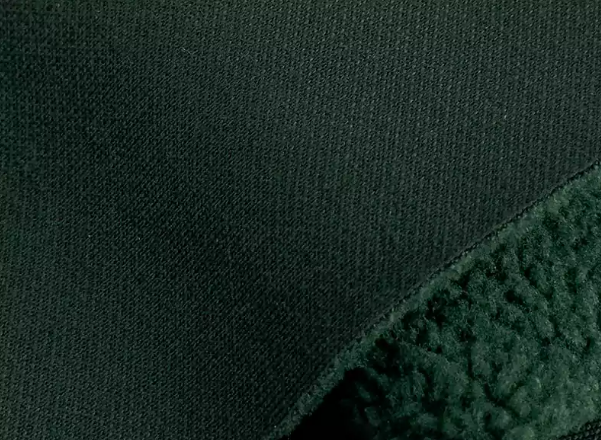
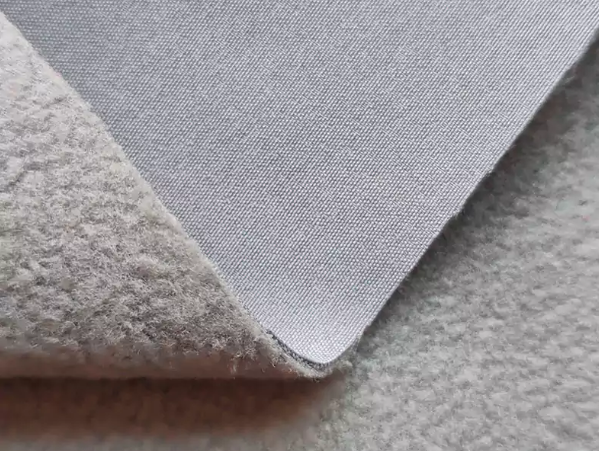
Polar Fleece is an evolutionary fabric first developed in the 1980s by the famous American textile company. The purpose of this invention was to create an alternative fabric that was soft, warm, and comfortable like wool but also cheaper, lighter, and quick-drying. It is lightweight and relatively smooth in structure. This is why it is used in winter as clothing, jackets, blankets, and outdoor wear. Furthermore, regarding its structure, it is such that it retains body heat and also dries moisture quickly. This fabric does not occur naturally but is made from synthetic fibers, primarily consisting of polyester. It gained such popularity in the world that within a few years, it became the most used fabric in hospitality wear, sportswear, and everyday warm clothing. It is also interesting that the company that created polar fleece kept the basic formula rights open so that textile manufacturing around the world could produce it for the general public.
The special feature of polar fleece is its upper surface, which is made very soft, warm, and thick with fluff by special machines. When you touch polar fleece, it feels as if small, soft threads or fluff are coming out of the fabric. These are thick and round tuft-like fluffs that are part of the fabric, but they are raised upwards with the help of machines. This structure provides the fabric with softness, warmth, and a comfortable feel.
1. This fabric is lighter and much softer than wool.
2. Its natural structure provides warmth to the body and protects against the cold. Therefore,
this fabric is excellent for the winter season.
3. Polar fleece is water-resistant and dries quickly.
4. Air can easily pass through the fabric. This prevents perspiration and keeps it comfortable
to wear. Polar fleece is machine washable and dries quickly.
5. This fabric does not shrink and does not wrinkle.
6. High-quality polar fleece generally can resist pilling.
1. Polar Fleece is as warm as wool but much lighter in weight.
2. This fabric lasts longer than other wool or cotton and does not deteriorate easily.
3. Polar fleece is cheaper than natural wool and other warm fabrics.
4. This fabric does not require any special care in washing and drying.
5. It is made from synthetic materials, so it is an alternative to animal-derived wool.
1. Risk of catching fire: This is a synthetic fabric. Therefore, it can catch fire more easily than wool. Avoid working near fire while wearing it.
2. Static Charge: Dust or hair can stick to polar fleece. This can increase the chances of static charge.
3. Environmental Damage: Since it is made of polyester, it can contribute to plastic waste.
4. Piling: Cheap polar fleece starts to shed lint after some use.
• Fabric Washing: Wash polar fleece with a mild detergent in normal or cold water. Using too much hot water is harmful.
• Spin or High Heat: Do not use very hot water or a high spin cycle, otherwise, the fabric may be damaged.
• Dry Flat: Dry the fabric straight instead of squeezing it to maintain its softness.
• Do not Iron: This fabric does not need ironing because it is wrinkle-free.
• Prevent Piling: If lint starts to form, use a fabric shaver or anti-pilling wash.
We understand that colors add life to your clothes. That’s why Ferrati Sports International Company keeps a stock of 15 to 18 different colors of polar fleece in its warehouse at all times. Which includes traditional colors as well as modern and fashionable colors. You can choose any color according to your preference and need.
Insights, trends, and stories from the world of apparel manufacturing.

It is important that every sports brand tries to find the correct partner in manufacturing. A lot of US brands are seeking beyond the country in order to get quality and reasonable prices. Pakistan is now a credible destination to purchase sports gear particularly gloves. Pakistan has well trained employees and experience which adds great value to the international customers. This guide explains how US brands can source sports gloves from Pakistan with ease and confidence.
Pakistan is a country with a history of producing sports goods. Such cities as Sialkot are global in manufacturing gloves. Handicraft, local expertise, and raw materials that are of high quality count a lot. Most factories follow the global standards. This gives the US brands the security to make huge orders. Working with a sports gloves supplier Pakistan also gives access to steady production and reliable timelines.
Pakistan manufactures a number of sport gloves. These are boxing gloves, gym gloves, bicycle gloves, baseball gloves and goal keeping gloves. Gloves that are used in training and outdoor sports are also produced in the factories. The US brands are allowed to select either simple or high quality designs. This wide range supports different markets and price levels. It also aids in easing brand liberalization of products.
One of the factors that make buyers prefer Pakistan is quality. Manufacturers make use of leather, synthetic fabrics and breathable materials. A good number of factories run trials on strengths and comfort of gloves. Stitching is done carefully to avoid early wear. There are also factories which follow the ISO and other quality regulations. This emphasis on quality helps in the need of USA sport accessories imports and confidence of the customer.
Most American brands are interested in special gloves. The custom services of the Pakistan factories are good. Customers have an option of colors, logos, padding and fit. It is available in sizes that can fit both men and women as well as the youth. This makes custom gloves Pakistan to be a good option. Sample distributed or design files are taken to initiate production by brands. This contributes toward the development of gloves that are identical to brand identity.
Pakistan is being able to sell at a competitive price without compromising on quality. The cost of labor is reasonable, reducing the overall cost of production. It is convenient to brands that order in bulk. Orders of wholesale sports gloves are also better priced. This enables the US brands to maintain desirable profit margins. Reduced prices also assist the brands to compete in high-traffic sports markets.
During sourcing abroad, clear communication is a factor. A great number of suppliers in Pakistan are fluent in English. They communicate through email, video, messaging applications. Order steps tend to be basic. To begin with, brands speak about designs and price. Then samples are made. Bulk production then commences after approval. It is an easy-going process to prevent confusion and delays.
Shipping from Pakistan to the USA is well established. Suppliers deal with reputable freight partners. Brands have an option of shipping by air or sea. Delivery will be based on the size of orders and mode of shipping. Gloves are preserved during travel with the help of proper packing. This makes importation of USA sports accessories into Pakistan reliable and easy.
The correct choice of a supplier requires research. Factories experience and previous clients should be verified by the US brands. Requesting the samplings is very useful. Trust is created through reading reviews and certifications. A sports goods provider of Pakistan will not struggle to answer questions. They also will exchange transparent prices and schedules.
Better results are achieved when there are long-term partnerships. This is because working with a supplier with whom there is a history of quality enhancement. Each order introduces to factories better brand requirements. This results in reduced error and increased manufacturing. Good relations also come in handy in seasons when there is a lot of demand. Many US brands are effectively expanding by remaining in reliable Pakistan suppliers.
Some brands rush the process. This can lead to poor results. The most frequent error that can be made is skipping samples. Failure to check materials may lead to quality problems. Delays also come as a result of poor communication. Avoiding these issues is done by planning. Clear agreements protect both sides and ensure smooth business.
The USA sport market is still expanding. The quality gloves are on demand. There is continued enhancement of skills and technology by Pakistan manufacturers. This provides emerging opportunities to the US brands. Smart sourcing will enable brand expansion to serve new clients. Pakistan will continue to be a good partner in the future.
The US brands are smart in sourcing business in Pakistan that deals in sports gloves. These are skill, quality and fair pricing which the country can offer. The process is facilitated with powerful custom choices and quality shipping. The ability to select the appropriate supplier and create trust are significant measures. For brands seeking value and quality, Pakistan is a proven choice.

Softshell is a synthetic fabric generally made from a blend of polyester, spandex, or nylon. It is lightweight, flexible, and breathable. The inner layer is typically soft and warm (often fleece), while the outer layer’s surface is designed to resist water and wind. This fabric is essentially the opposite of hardshell fabric. While hardshell is fully waterproof and windproof, it tends to be stiffer and less comfortable. The main feature of softshell fleece fabric is that, despite being lightweight, it allows the body to move freely and helps regulate body temperature. It is commonly used in outdoor activities, sports, and everyday clothing, especially jackets and pants. Rather than for harsh cold or rain, it is an ideal choice for mild weather conditions.
Softshell fabric is considered one of the modern technical fabrics that has completely transformed the concept of traditional outdoor clothing. Its history began in the late 1990s when the well-known company Polartec first introduced it. At that time, hardshell fabrics were used to protect against severe weather. Although waterproof, that fabric was very rigid, heavy, and uncomfortable. Polartec began working on a material that would not only protect against rain and wind but also not restrict physical movement. That was the moment softshell fabric came into being a material that is water repellent, wind resistant, lightweight, and also capable of wicking moisture away from the body.
Softshell fabric typically consists of two or three layers, such as:
1. Outer Layer: Made from flexible polyester or nylon, this layer is treated with a special Durable Water Repellent (DWR) coating. This prevents light rain or snow from penetrating
the fabric by causing water droplets to bead up on this surface. In some three-layer softshell fabrics, a thin membrane (optional middle layer) is applied, which helps block the wind
while allowing sweat to escape.
2. Inner Layer: The inner layer is usually made of a soft, brushed polyester or fleece, which helps retain heat and provides a soft feel to the body. That’s why products like softshell
pants, software jackets and softshell gloves offer a combination of comfort, protection, and durability.
1. Weather Resistance: The outer surface of softshell fabric is treated with a special coating called Durable Water Repellent (DWR), which prevents water from being absorbed. It is capable of resisting light rain, snow, and wind. Although softshell fabric is not completely waterproof, it is water-resistant, which makes it ideal for jackets, outdoor wear, hiking trousers, and cycling gear. Hence, it is suitable for light rain or drizzle.
2. Breathability: A major drawback of traditional hardshell fabrics was that they did not allow sweat to escape. However, softshell fabric is engineered in such a way that it allows moisture from the body to escape, keeping your body temperature moderate and dry. Wearing it makes the body feel warm and dry. This feature makes softshell jackets and sportswear for gym use highly preferred.
3. Mobility and Flexibility: Softshell fabric has a natural stretch, making it ideal for sports, exercise, and outdoor activities. Softshell fabric is generally made from stretch nylon or polyester in a 2-way or 4-way stretch, which makes it extremely flexible. This fabric adjusts with the movement of the body making it ideal for dynamic activities like rock climbing, trekking, cycling, and skiing.
4. Comfortable and Soft feel: The inner layer of softshell fabric is usually made of brushed polyester or microfleece, which feels very soft, warm, and comfortable on the skin. This feature also makes it popular for ladies softshell jackets, baby softshell suits, and casual wear.
5. Thermal Insulation: Softshell fabric provides a certain level of thermal protection, especially when the inner lining contains fleece. While it is not enough for extreme cold, it can keep you warm in mild to moderately cold weather. The fleece inner layer provides slight warmth, which is beneficial in chilly conditions.
6. Lightweight and Packable: This fabric is much lighter than heavy jackets or coats, making movement easier. It can be easily folded and packed into a small bag, which makes it a favorite choice for travelers and adventurers.
7. Durability: The fabric is usually abrasion-resistant, meaning it doesn’t tear or wear out easily. That’s why softshell is commonly used in military wear, workwear softshell jackets, and outdoor uniforms.
8. Modern Look: Softshell fabric also offers a stylish and modern appearance. Trendy and Elegant Jackets and pants made from slim-fit softshell fabric are not only functional but also visually stylish. That’s why today, the use of softshell is no longer limited to urban fashion—it has also found its place in sportswear and adventure wear.
9. The Rise in Popularity of Softshell Fabric: Thanks to its outstanding properties, softshell fabric is now extremely popular for softshell jackets, softshell trousers for hiking, and corporate outerwear. Initially, this fabric was used specifically for men’s and ladies’ softshell jackets, but its demand grew rapidly and it began to be included in garments such as softshell vests and softshell hiking trousers. It not only offers both fashion and function in one, but is also a material that fulfills all the needs of a modern consumer. The main reason behind the global popularity of softshell fabric is its unique multi functional features: comfort, protection, breathability, and flexibility—all in one. Today, it is the preferred choice for custom outdoor softshell jackets, especially for those who go on mountain adventures, travel in snowy or cold and dry regions.
10. A Wide range of Colors: We understand that colors bring life to your clothing. That’s why we maintain a wide stock of 15 to 20 different colors of softshell fabric in our warehouse at all times. These include traditional shades as well as modern and fashionable hues. You can choose any color that suits your preference and need. If you do not find your desired color in our current range, don’t worry—we also offer the facility to custom-make and dye fabric according to your specifications. Our expert dyeing team uses only high-quality dyes that are durable and retain their brightness even after washing, ensuring top-tier results on your chosen fabric.
Washing Instructions: Wash the fabric with lukewarm water and a mild detergent. Avoid using harsh chemicals, as they can damage the fibers of the fabric. Unlike hard shell garments, softshell is easier to wash. However, if not cared for properly, its waterproofing capability can gradually diminish over time.
Drying Instructions: After washing, let the fabric air-dry naturally or use a dryer at a low temperature. Excessive heat can damage the waterproof coating of the fabric. Therefore, do not iron softshell fabric. If, for any reason, the waterproofing is affected, use a waterproof spray or special detergent from time to time to restore the fabric’s water-repellent properties.
China: China is the world’s largest producer of softshell fabric. It leads globally in both the production and export of softshell. The coastal regions of China are particularly known as production hubs.
UnitedStates: The U.S. ranks second in softshell production, especially in southeastern states like Florida and Louisiana. U.S. exports play a significant role in the global softshell market.
Bangladesh: Bangladesh produces high-quality softshell at low cost. The country is well-known in the international market, especially for exports.
Vietnam: Vietnam specializes in producing technical outdoor fabrics, which are selected by international brands for performance wear.
Turkey: Turkey produces premium-quality softshell fabric, mainly for high-end fashion and sportswear.
India: India’s textile industry is rapidly growing, and it has become a major producer of softshell fabric. Production is mostly concentrated in coastal areas like Tamil Nadu and Kerala. India exports softshell to South Asia and Eastern countries.

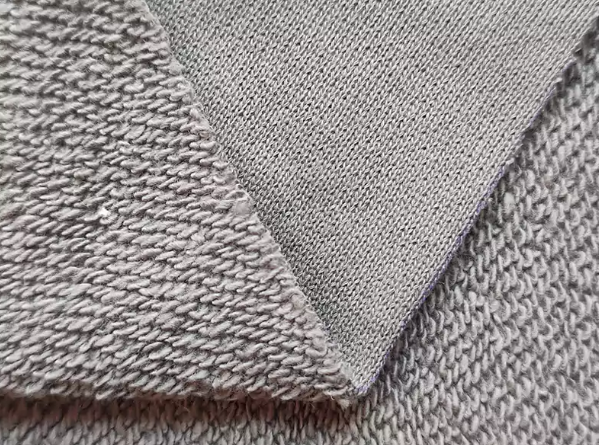
French terry is a unique knit fabric designed with a special looped technique to make it comfortable and soft. It has a smooth side and a soft, looped texture on the other. This is what makes it unique from other fabrics. French terry fabric is often used in sweatshirts, hoodies, and casual wear because it makes the body feel comfortable without retaining heat. This fabric is made from a combination fabrics is made from a combination of natural cotton and polyester. If you are wearing 100% cotton French terry, it will be more breathable and attractive. Polyester mixed French terry fabric will be more durable and wrinkle-resistant.
French Terry is very popular in the fashion and sportswear industry due to its unique texture and features. Its inner surface is soft and looped. This feature not only makes this fabric comfortable but also gives the wearer a sense of comfort. It is neither too rough nor too heavy. Therefore, it can be used in daily wear. This fabric allows air to pass through its fibres easily, which allows sweat to dry quickly. Most French terry fabric is lightweight and feels comfortable to wear. 100% French terry absorbs moisture from the skin and transfers it to the outer surface, where it evaporates. The body feels dry and fresh. This is why it is also preferred in sportswear. This fabric is versatile in terms of every season because it is neither too hot nor too cold. It is suitable for all seasons. Due to the knit construction, this fabric naturally stretches and gives a comfortable fit. This fabric is better to machine wash, it does not wrinkle, and it’s easy to care for.
French terry is a fabric that became popular worldwide due to its soft texture, comfortable feel, and breathability. The foundation of this fabric was laid in the mid-nineteenth century when French artisans introduced a new style of knitting. This knitting was unique in that small loops were made on the inside of the fabric, which not only made it soft but also maintained body heat in a better way. Although the first attempts to make this fabric were made by French artisans, the credit for commercially introducing it to be the world goes to some clothing factories in Britain and America, who started producing this fabric in large quantities in the late nineteenth and early twentieth centuries. During the 20th century, especially between 1920 and 15950, French terry began to be used in sports clothing. This was the period when people started preferring comfortable clothes in their daily wear as well, and French terry firmly established its place.
If French terry is compared with other popular fabrics such as fleece, cotton, and polyester. It proves to be better in many ways, such as:
• More Moisture Wicking Compared to Cotton: Cotton absorbs sweat but does not dry it quickly. While French terry absorbs moisture and transfers it to the outer surface so that it evaporates into the air. Due to this, sweat dries quickly.
• Most Breathable Compared to Fleece: Fleece is made to retain heat. While French terry allows air to pass through its fibres easily. Therefore, the body feels more refreshed and comfortable.
• Most Natural Compared to Polyester: If French terry is made of 100% cotton, it is more absorbent. While polyester consists of a synthetic fiber, it can produce more sweat.
• Can be worn in Every Season: Some fabrics are suitable for specific seasons only. But French terry can be worn comfortably in both hot and cold seasons.
Although it is a versatile fabric. But it has some drawbacks. Which are important to know before buying:
• Potential for Shrinkage: 100% cotton French terry can shrink when washed in hot water. If you want to prevent the fabric from shrinking. It is better to wash in the normal or cold water.
• Absorbs more Water: Because this fabric has the ability to absorb moisture. Therefore, it becomes quite heavy when it absorbs more water. Then it also takes a lot of time to dry.
• Less Effective in very Hot Weather: Although this fabric is breathable, wearing it in high temperature makes you feel hot and people do not feel comfortable.
Follow a few simple instructions to keep French terry durable and in good condition for a long time:
• Wash in normal or cold water.
• Avoid harsh chemical detergents so that the fabric does not get damaged.
• Machine washing can be used for washing.
• Do not bleach as it will spoil the color of the fabric and weaken the fabric fibers.
• Dry in shade or on low speed in the dryer.
• Use iron at low speed in the dryer.
When we talk about checking the thickness, weight, and quality of a fabric, the first question that comes to mind is what is the GSM of this fabric? GSM means grams per square meter, i.e., the weight of one square meter of fabric in grams. This measurement tells us whether the fabric is light, medium, or thick.
• Lightweight French terry fabric is less than 200 GSM.
• Mid-weight French terry fabric is between 200 and 300 GSM.
• Heavyweight French terry fabric is between 300 and 465 GSM.
GSM plays a very important role when we talk about a special fabric like French terry. This thing is very important in the following matters:
• Suitability of fabric for hot or cold weather
• Purpose of use (e.g., sports, fashion, daily wear)
• Identification of price and quality
• Choosing the right fabric according to customer needs. Example:
If someone wants to make a sweatshirt, sweatpants, trousers, or shorts for summer, then French terry with low GSM will be better. And if someone wants a warm and heavy sweatshirt or hoodie for winter, then French terry with high GSM will be the best choice.
We understand that colors add life to your clothes. That’s why we (Ascension International) always keep a stock of 15 to 18 different colors of French terry in our warehouse. Which includes traditional colors to modern and fashionable colors. You can choose any color according to your choice and need. If you do not find your favorite color in our current range, then don’t worry. We also provide the facility to custom-dye the fabric for you. We have an expert dyeing team, which will dye your desired color on the fabric with the best quality. We use high-quality dyes, which are durable and retain their shine even after washing.
• China: China produces French terry for all major brands worldwide.
• India: India is prominent in French terry production due to its high quality cotton.
• Pakistan: Pakistan holds an important position in the global market due to its quality textile products.
• Turkey: Turkey produces premium quality French terry for European countries.
• America: This country makes high-quality French terry especially for high fashion and sportswear.

Good quality and good prices can be associated with working with sportswear makers in Pakistan. The US consumers are now seeking reliable partners in Pakistan. However it is rather useful to ask relevant questions before you make any order. This assists in keeping out of trouble and mistakes. This is a basic guide that will assist in making a more optimal decision. It can also serve as a sportswear shopping guide USA among all new buyers.
Quality must be first. You need to inquire with the manufacturer what the type of fabric, the weight of that fabric and the type of stitching it has. This assists you in determining whether the products would be suitable to the needs of your buyers. You also inquire whether the manufacturer can provide fabric samples before you close the deal. Inquire continuously how they monitor quality at every stage. This will act like your own Pakistan sportswear checklist and keep you safe from low-quality items.
A lot of US customers require tailor-made products. Then you will have to enquire about design options. Ask them whether they can print, embroider or patch. Also ask, whether they are able to match your brand colors. A mock-up should be requested before they begin with manufacturing. This will enable you to save time and eliminate mistakes. These questions are significant when you pay attention to the questions of custom sportswear and desire to create a strong brand.
MOQ is highly relevant in case you begin to cooperate with a new manufacturer. Request them to tell you about their minimum order limit of each item. Certain makers have high minimum order quantities and some small orders. You also need to inquire whether there is any MOQ variation between custom colors or special designs. This will aid in having knowledge on planning your first order without anxiety.
Always enquire about time of production. Inquire on the time required in making samples and the time required in bulk orders. Inquire as well how many orders they do simultaneously. This will make you know whether they are able to complete your order on time. What happens in case of delay should also be asked. This is a major step of US import tips sportswear as time is of essence to all retailers in the US.
Enquire whether the manufacturer provides fabric reports. This may involve color stability, shrinkage and stretch tests. Good makers follow safety regulations and make adequate reports. They should be asked whether they use safe dyes as well. There are buyers in the US who require special certificates. Enquire whether or not they have those papers. This assists you to be safe by US rules.
Always ask for a full price list before you place any order. Inquire whether the price is dependent on the fabric type, design type or order size. Additional charges are also good to inquire. This may be in the form of printing set up cost, embroidery cost or packing cost. These questions will make you make wise money decisions.
Ask what is the process of the sample. Inquire on their sample prices. Other makers refund the price once you order in large quantities. The next thing you should ask is how much time is required to produce a sample. This assists you with quality checking prior to the actual confirmation of order.
Enquire about how the manufacturer communicates progress as it goes. Some updates once a week. There are those that post updates with every step. Clear updates make you feel secure. They are also there to aid you in catching problems. Try to do business with manufacturers who provide prompt and truthful reports.
The buyers in the US require clear labeling and packing. Inquire whether the manufacturer will put your brand labels, wash care tags and size tags. Enquire into what kind of packaging they have. Inquire also about whether they provide custom packing or not. Packing well makes the appearance of your products look better and develops trust in your brand.
Tell them how they take orders to the USA. Request whether or not they provide air shipping, sea shipping or both. Inquire about the time of delivery also. There are makers who have good shipping partners and assist you in all the actions. Enquire about the cost of shipping as well. This is another key part of US import tips sportswear.
After-sales service will indicate the seriousness of the maker. Enquire what happens in case you receive broken goods. Enquire whether they substitute bad or refund money. Ask how they solve problems. A good maker will always support you after the order.
In case you plan to work long term, enquire about future plans. You may inquire whether they intend to introduce new clothes or new designs. You may as well enquire whether they offer better prices to long-term clients. Good long term planning assists in developing a steady supply line. It is also a smart part of your sportswear buying guide USA plan.
The right questions will save you from stress and problems. In Pakistan there are numerous sportswear manufacturers, however, you have to look at each of them properly. Before these, take these as your own Pakistan sportswear checklist. Asking direct questions, you will receive direct answers. This can save you time, money and energy. It also assists you in achieving the optimum outcomes to your US sportswear brand.

Identifying the appropriate sportswear producer is among the key processes when you want to expand your personal clothing company. A good partner can provide you with good support, beautiful work and smooth service. The country has a history of producing sportswear, and most global brands have confidence in Pakistan's ability to make bulk purchases. If you prefer collaborating with a trustworthy team, you will need to know what to look for. This blog will help you select the most appropriate sportswear manufacturer in Pakistan for your brand.
The first thing to test is experience. A firm that has a long duration in the business will know what brands require. They are familiar with small and big orders, and they have good ways of producing good sportswear. You are more comfortable when you decide to work with a manufacturer who has many years of experience. A highly experienced team will teach you the right direction and prevent the occurrence of the easy mistakes that new factories can commit.
The sportswear ought to be soft, powerful and durable. Ask the manufacturer to provide fabric samples before making the decision. This will aid you to check out the material using your own hands. Test the stretch, see the weight, and test whether it is smooth after washing. It is also important to do good stitching. Powerful seams assist the garments to remain in form during exercises. The look of the fabric and the stitching allows you to determine whether the company provides decent products.
There is a demand by many brands to have differentiated designs of their products. In case you desire that your stuff appears different, then you want an organization that can produce custom sportswear Pakistan products. Question the manufacturer on whether they can do custom cuts, colors, logos, prints and sizes. The brand image can be derived, with the assistance of a company having a good custom service. They pursue your thoughts and make them come true in a clear and direct manner.
Enquire whether the manufacturer has the capability to deal with a large order of work before making the order. In case you are planning to expand your brand, you should have a partner that will be able to make high volumes without delays. A good wholesale sportswear manufacturer will have enough machines, staff, and daily output to manage bulk orders. The advantages of high production power by the company are that the supply chain remains uninterrupted and that the business experiences less order timing issues.
A trusted brand in sportswear will possess an existing work to demonstrate. Request pictures, samples or even the finished products of the past clients. This provides a clear understanding of their talents. It is also possible to check the list of the brands they have cooperated with. In case they have been serving familiar or international brands, it means they are familiar with concerning quality regulations. It could also be done through reviews of old clients to find out some behavior of the company as well as how they address issues.
Effective communication is time-saving and error-free. Select a manufacturer that responds promptly and who does not confuse when he needs to know something. It is more critical with the custom items that you work on. Clear talks make you feel safe and this is so particularly with large orders. Once both parties know one another, then the entire process will be characterized by ease and relaxation.
High speed and secure delivery is extremely crucial to any brand. The company will have to tell you when they are going to deliver the samples and bulk orders to you before you make your decision. Other questions to ask are the shipping methods. If your brand is based abroad, such as in the USA, you should work with a team that understands USA sportswear import rules. A proper sportswear supplier will inform you about documents, packing and even shipping time to make sure that your products arrive at the right time.
Price is one, though not the only factor. Low prices are usually associated with poor quality. Find a company that charges reasonable rates and quality. You will get the clear price information of a good sportswear supplier Pakistan such as the costs of fabric, stitching, and additional work such as printing or logo work. As soon as the pricing is transpired, you find it easy to budget every piece.
The samples assist in viewing the actual quality of the product. Irrespective of the bulk order, always demand a physical sample. That is why you can verify all aspects such as fabric, color, print, stitching, and fit. Anything that requires modification can be corrected at this point. A manufacturer will never refuse giving out samples since they will feel obligated to make you feel safe.
It is not a one-time selection of a sportswear manufacturer. You must find a partner that will develop with your brand. A trusted company is supportive, gives straightforward updates and transparent work. The partnership is strong when there is trust between both parties. This will ensure your brand remains constant, lower the expenditure and gives a smooth stream of success in the long-term.
The initial decision on the selection of the appropriate sportswear manufacturer in Pakistan might seem difficult at the time of making the decision, but once you are aware of what you need to be, it becomes simple. Make sure the experience, quality, custom work, and past results of the company. Ensure that they are communicative and ensure time delivery. Choosing the right partner will provide you with a powerful foundation of your brand. Your sportswear line is capable of expanding rapidly and expanding to a bigger market with the necessary support.